





A terminal block is a compact, insulated base with metal contacts that lets you clamp, join, and distribute conductors without soldering. If you’ve ever routed power to a drive, brought sensor leads into a controller, or handed off field wiring to a PCB, you’ve used one. Understandingwhat is a terminal block helps you prevent loose joints, overheating, and service delays. This guide explains how clamping methods work, how to size current and voltage, and how to pick screw, spring, push-in, barrier, pluggable, or specialty variants. You’ll also see comparison tables, install checklists, and plain-English notes on standards that govern torque, spacing, and testing. The goal: choose confidently, terminate cleanly, and keep your equipment running with predictable, documented results.
In practical terms, a terminal block is the bridge between field wires and your device, panel, or board. It organizes conductors, provides strain relief, and gives you labeled test points. When people ask what is a terminal block, they usually need help choosing among screw clamp, spring clamp terminal, push-in terminal, DIN rail terminal, barrier strip, and pluggable PCB styles. The right pick depends on current, voltage, pitch, insulation strip length, and how often the connection will be re-terminated. Below you’ll find a no-nonsense way to select the best fit, plus field notes from a decade of hands-on work.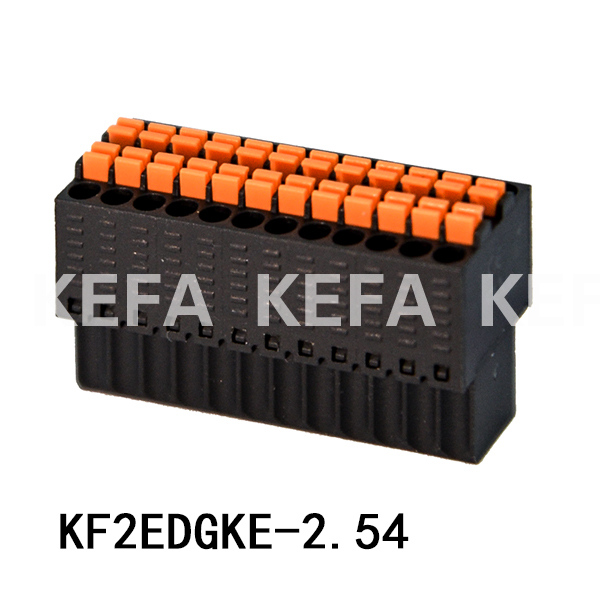
Female
How It Works in One Look
Each unit has three essentials: a clamping mechanism (screw, spring, or push-in), a conductive bar, and an insulating base. Tightening the clamp presses the conductor onto the bar to create a low-resistance joint. Good pressure and correct strip length keep resistance stable. Poor pressure or mismatched wire size invites micro-motion, oxide layers, and heat.
Screw clamp: high pull-out, accepts ferrules or bare wire.
Spring clamp: consistent force, fast in tight spaces.
Push-in: tool-less for solid or ferruled conductors.
If you’re bringing signals into a controller, a compact connector block saves space and speeds service. For higher current, a barrier strip or heavy screw terminal is often the safer call.
Main Families and When to Use Them
Screw Clamp
Choose this when you need high pull-out strength and broad wire compatibility. It excels on feeders, drives, and power distribution where a properly torqued joint matters. Use a calibrated tool and follow the specified value printed on the housing or in the data sheet.
Spring Clamp
A spring cage applies constant force without a torque wrench. It shines in environments with vibration or temperature swings. Follow the strip length exactly; for very fine strands, ferrules improve retention and test repeatability.
Push-In
The fastest choice for solid or ferruled conductors. Production teams like it because insertions are consistent and tool-less. For bare fine-stranded wire, crimp ferrules first to guarantee retention.
Barrier Strip
Studs and wide spacing give this style headroom for higher current and easier field wiring. Add lock washers when vibration is expected. Watch creepage and clearance, and use protective covers where needed.
Pluggable
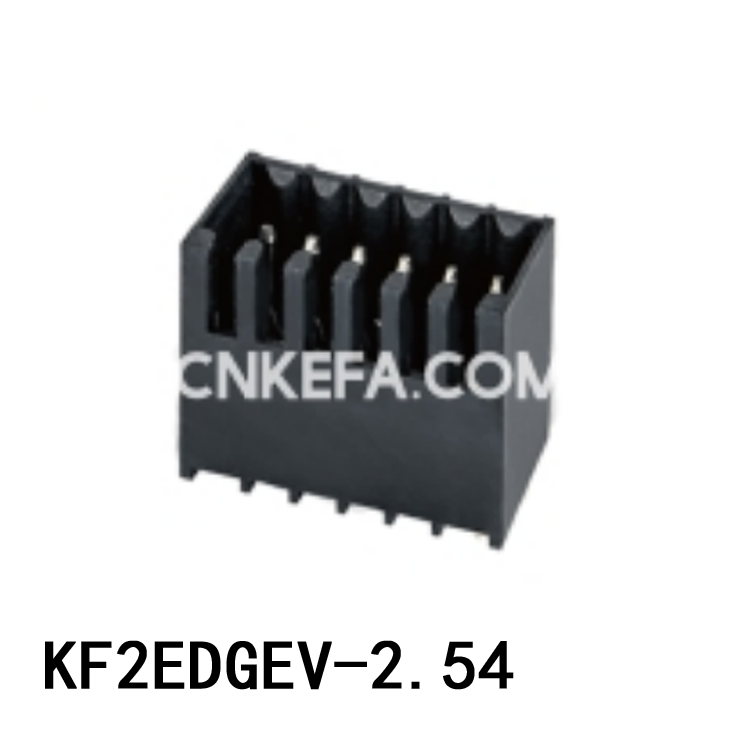
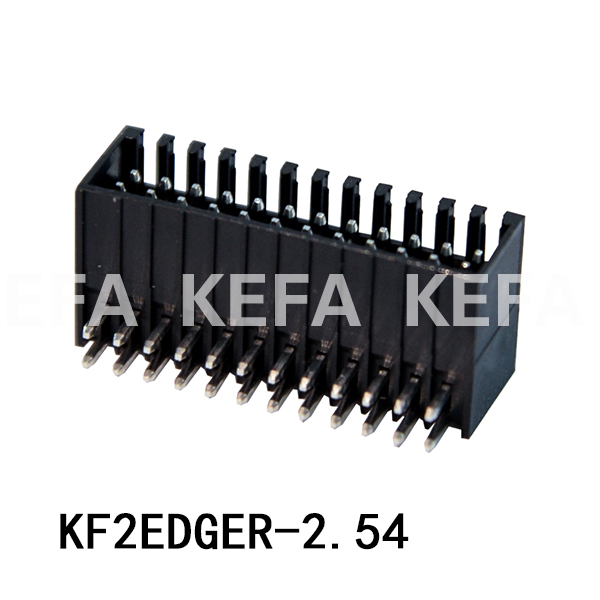
A detachable plug mates to a fixed header. This is common on PCBs and modular subassemblies when fast board swaps and keyed connections are priorities. Verify current vs. pitch and respect mating-cycle limits.
Specialty Blocks
Ground (PE) units bond to chassis through a metal foot; fused blocks provide inline protection; test-disconnect blocks add a pivot point to isolate and measure; feed-through blocks simplify distribution; multi-level blocks condense I/O in tight enclosures.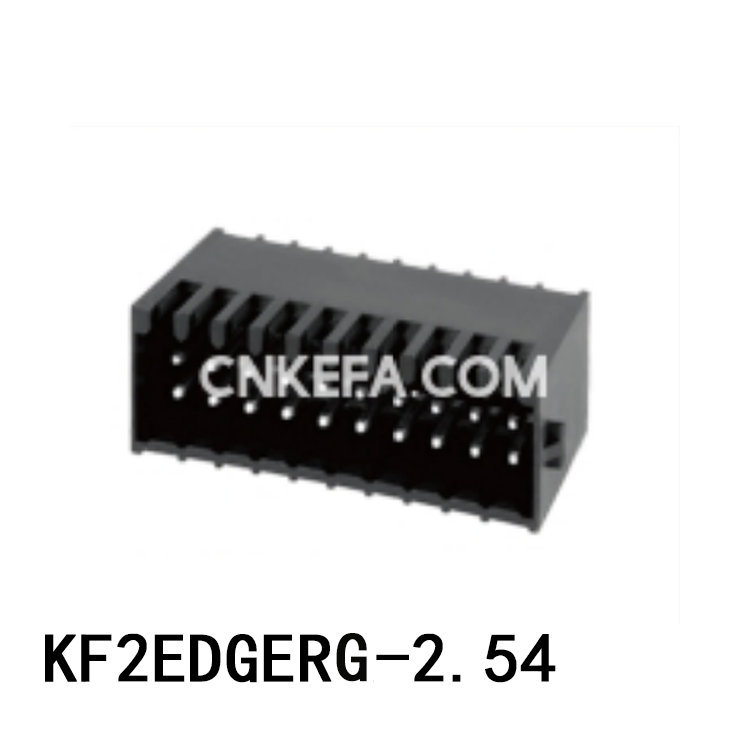
At-a-Glance Comparison
| Type | Typical Use | Vibration Resistance | Service Speed | Common Pitch | Notes |
|---|---|---|---|---|---|
| Screw clamp | Power feeds, motors, distribution | Good with locking hardware | Medium | 5.0–10.0 mm | Great with mixed wire classes |
| Spring clamp | Signals, relays, compact panels | Excellent | Fast | 3.5–6.2 mm | Consistent contact force |
| Push-in | High-volume builds with ferrules | Excellent | Fastest | 3.5–7.5 mm | Tool-less for solid/ferruled |
| Barrier strip | High current, field wiring | Good | Medium | 9.5–12.7 mm+ | Wide creepage/clearance |
| Pluggable PCB | Swappable subassemblies | Good | Fast | 3.5–7.62 mm | Mind mating cycles |
| Fused / test-disconnect | Protection and troubleshooting | Good | Fast | 6.2–8.2 mm | Ideal for I/O isolation |
If you’re comparing terminal block types for dense controls, multi-level spring clamp designs often deliver the smallest footprint with tidy labeling rails.
How to Size Current, Voltage, Wire Gauge, and Pitch
Correct sizing prevents heat and nuisance service calls. Start with the continuous current and allow design headroom. Verify the rated voltage and spacing to meet creepage and clearance. Match the wire size and conductor class, and confirm the torque or actuation method. On PCBs, pitch controls both current capacity and insulation distance; in enclosures, multi-level options condense I/O without sacrificing clarity.
Current: confirm the data sheet temperature rise at your wire size.
Voltage & spacing: check creepage/clearance against your environment.
Wire class: solid, stranded, or fine-stranded; ferrules standardize outcomes.
Pitch: smaller pitch = higher density; watch derating and spacing.
Documentation: capture torque values and strip lengths in your build book.
For anyone wondering again what is a terminal block in the context of approvals: the product’s marks, test regime, and ratings ensure the assembly meets the intended use. That’s why the label details matter.
Installation Steps That Prevent Rework
Cut and strip to the manufacturer’s length; avoid copper whiskers or exposed strands.
For fine-stranded wire, crimp ferrules using a calibrated tool and the correct die.
Insert and actuate: push-in for solid/ferruled; spring lever or tool for bare stranded; tighten screws to the specified torque.
Perform a tug test; check that the insulation seats flush and no conductor is visible.
Label circuits; photograph each row for your maintenance binder.
Under load, confirm temperatures with an IR camera and re-verify any threaded joints.
A simple connector block checklist like this removes ambiguity for installers and inspectors.
Two Data Points You Can Act On
An industry bulletin notes that the 2017 edition of a widely adopted electrical code added an explicit rule requiring a torque tool when the equipment lists a numerical value, and a later edition reinforced proper torqueing with approved means (e.g., shear bolts, breakaway heads). [Source: NEMA Bulletin No. 120]
A terminal block safety standard (Edition 6, 2024) covers products rated up to1500 V and defines performance requirements for these assemblies.[Source: UL 1059]
These two references capture why torque and verified ratings matter from day one.
Keeping Connections Tight Under Vibration
Motion platforms and compressors expose joints to micro-movement. Spring clamp and push-in designs maintain contact force without re-torque cycles. If you must use studs, add lock washers and dress conductors to relieve weight on the clamp. Schedule periodic inspections and use IR scans to spot rising resistance at a glance.
For barrier strips, combine proper hardware with covers and clear labeling. This keeps service safe and quick.
Materials and Environmental Notes
Insulating bodies are commonly high-temperature thermoplastics such as PA66. Conductive parts are typically tin-plated copper alloys; nickel plating helps at elevated temperatures. In harsh atmospheres, sealed housings and careful routing keep contamination away from joints. For enclosures, confirm the pollution degree and any transient category in your design rules.
When engineers ask again what is a terminal block from a reliability lens, the answer includes metallurgy, plating quality, and how the clamp maintains pressure over time.
Plain-English Notes on Standards You’ll See
A global low-voltage controlgear standard defines construction and testing for screw and screwless clamping units, including dielectric strength, temperature rise, and creepage/clearance for terminal blocks and test-disconnect variants.
Workplace safety rules require conductors and equipment to be approved and used according to their listing and instructions, with interpretations addressing identification at terminations.
A workmanship standard used in mission-critical programs lays out tool control, crimping quality, and inspection practices that translate well to everyday production.
Put differently: the label, the torque spec, and the test history behind your chosen connector block are not optional details.
Quick Selection Flow
Signal or power? Signals → spring or push-in; higher current → screw clamp or barrier strip.
Service profile? Frequent swap-outs → pluggable; need isolation → fused or test-disconnect.
Wiring style? Ferrules available → push-in is fastest; bare stranded → spring or screw with correct torque.
Mounting? DIN rail for panels; headers or through-hole for PCBs.
Density & markings? Tight space → multi-level; heavy labeling → single-level with large marker strips.
If you’re still weighing terminal block types, prioritize the clamping method and service model first, then fine-tune pitch and accessories.
Spec-Level Comparison Table
| Spec You Set | Why It Matters | Typical Range / Note |
|---|---|---|
| Rated current | Limits temperature rise; check data at your wire size | 1–150 A+ depending on pitch and metal mass |
| Rated voltage | Drives creepage/clearance and spacing | 50–1000 V (application dependent) |
| Wire size | Must match clamping unit range | AWG 28–2 (≈0.08–35 mm²), larger for stud types |
| Clamping style | Affects vibration, speed, and tool needs | Screw / Spring / Push-in / Pluggable / Barrier |
| Pitch | Controls density and insulation distance | 3.5–12.7 mm common |
| Approvals | Backstops the ratings with verified testing | See the references below |
Field Notes from Real Projects
Compact control skid: Moving from mixed screw terminals to push-in DIN rail units cut build time and eliminated post-soak re-torques. Ferrules standardized results, and labeled markers kept service crisp.
Audio rack retrofit: A barrier strip without lock washers loosened under vibration. Upgrading hardware and documenting torque solved recurring hot spots visible on IR.
PCB subassembly: Pluggable headers reduced downtime during board swaps. Keyed plugs prevented cross-wiring, and a test-disconnect block simplified troubleshooting.
Copy-Paste Installation Checklist
Confirm wire class and size range against the data sheet.
Set strip length with a gauge; no exposed copper beyond the clamp.
Use ferrules for fine-stranded conductors, especially with push-in styles.
Tighten threaded joints to the specified torque with a calibrated tool.
Perform a tug test on every connection.
Label circuits and photograph each terminal row after completion.
Run an IR scan under load and document temperatures.
Buying and Qualification Tips
Ask for temperature-rise curves at your intended current and wire size.
Inspect plating and check that edges are burr-free.
Confirm printed wire range, voltage, and tightening values are easy to read.
Verify accessories: end plates, jumpers, markers, test plugs, covers.
Pilot on a small build before standardizing across product lines.
Where to buy: SHANYE terminal blocks are available through well-known authorized distributors such as Digi-Key, Mouser, RS, and Farnell. Work with the authorized channel to confirm part numbers and documentation.
If you ever need to explain to a teammate what is a terminal block in purchasing terms, it’s a tested, labeled component whose accessories and data support maintenance for years.
Suggested Reading
Frequently Asked Questions
What is a terminal block used for?
It clamps a wire securely so you can route power or signals to devices without soldering. It also organizes wiring and offers test points and labels for service.
How do I choose between screw, spring, and push-in?
For speed and vibration resistance, spring or push-in are great picks. For higher current or mixed wire classes, screw clamp works well—just follow the torque value.
Do I need ferrules?
For fine-stranded wire and push-in terminations, ferrules improve insertion consistency, pull-out strength, and measurement repeatability.
How do I set current and pitch?
Use the data sheet current at your wire size and keep reasonable headroom. Smaller pitch increases density but reduces spacing; confirm creepage/clearance for your voltage.
Can one terminal accept two wires?
Only if the product identifies that use. Otherwise, use distribution blocks or the maker’s approved accessories.
Final Takeaway
The shortest path from “what is a terminal block” to the right bill of materials is simple: pick the clamping style that fits your service model, size for current and spacing with margin, document strip lengths and torque, and label everything. Do that, and your connections run cool, stay tight, and remain easy to test.
References
NEMA Technical Bulletin No. 120 — Using Torque Tools for Terminating Building Wire
OSHA 29 CFR 1910.303 — General requirements for electrical systems
NASA-STD-8739.4A — Workmanship Standard for Crimping, Interconnecting Cables, Harnesses, and Wiring
OSHA Interpretation — Conductor Identification and Listing/Labeling
About the Author
Written by the SHANYE Terminal Connectivity Team. Our engineers design and qualify connector blocks across control panels, PCB pluggables, and high-current barrier strips, with documented build books, torque records, and IR scans used in acceptance tests.
Disclaimer
Ratings, torque values, and approvals vary by part number. Always verify the current data sheet and follow the instructions provided with the equipment. The references above provide context and do not replace your compliance obligations.


