


If you’re trying to pick the right electrical terminal block, you’re really trying to solve three things at once: make the connection reliable, make service easier, and avoid heat, looseness, and downtime. I manufacture terminal blocks and I also write technical guides because I’ve watched small selection mistakes turn into big field problems. In this guide, I’ll walk you through the major types, where each one fits, and how I personally choose a terminal block for real projects—control panels, power input, machine wiring, and PCB connections. You’ll also get a clear selection checklist, a practical comparison table, and installation habits that reduce callbacks.
What an Electrical Terminal Block Actually Does
An electrical terminal block is a purpose-built connection point that joins conductors in a controlled, repeatable way. It’s not just “a place to tighten a screw.” A good block manages contact pressure, conductor positioning, insulation clearance, and mechanical stability so the connection stays consistent after vibration, temperature cycling, and repeated service.
I like to explain it simply: the terminal block turns a wiring job into a documented interface. When you design around a terminal block, you’re planning for the day someone else needs to troubleshoot your work at 2 a.m. with a flashlight and a deadline.
Why terminal blocks beat “twist and tape” thinking
Repeatable torque or clamp force reduces “good enough” connections.
Better organization makes troubleshooting faster and safer.
Modular expansion lets you add circuits without reworking everything.
Cleaner documentation supports labeling, numbering, and inspection.
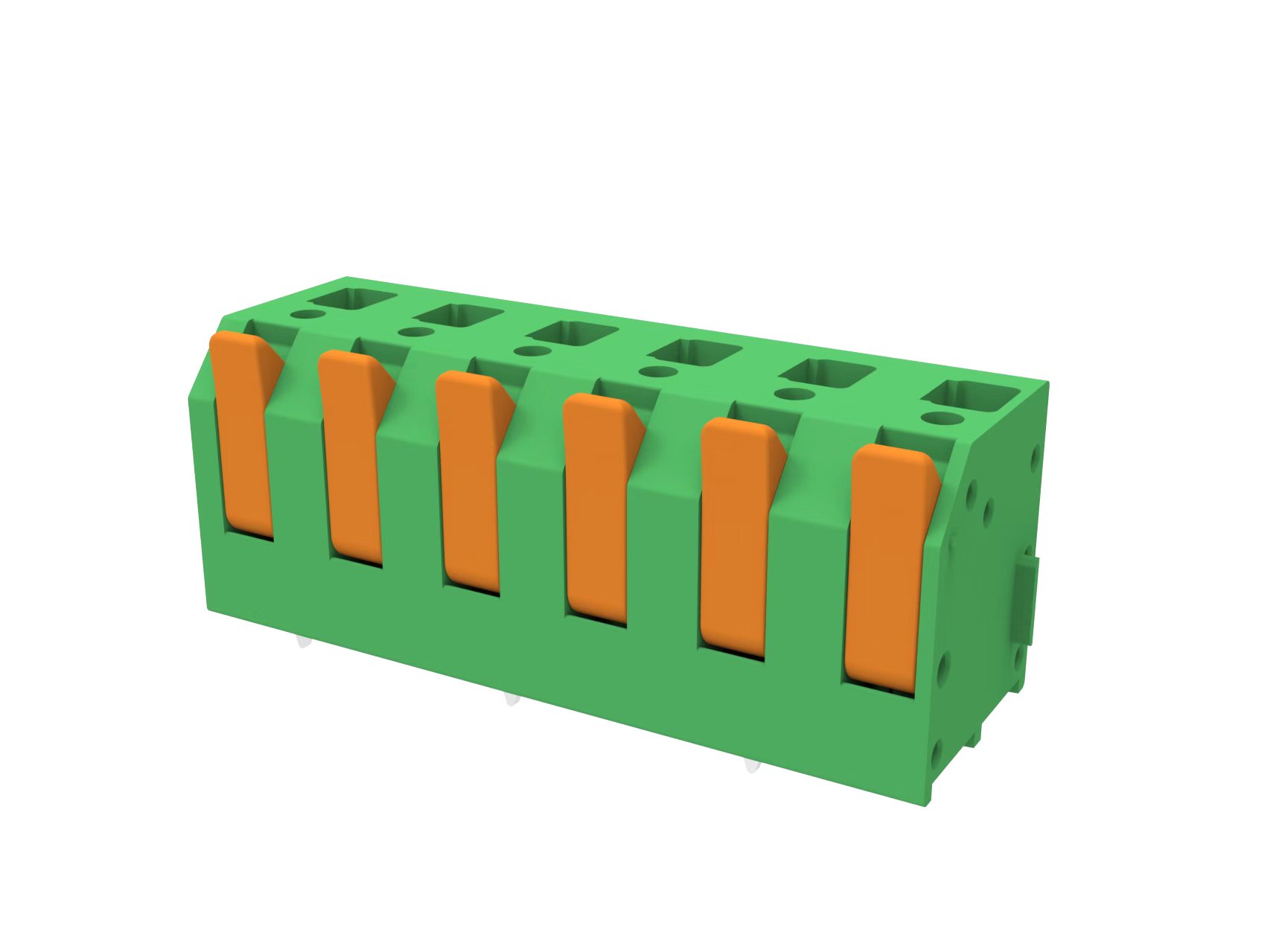
Types of Electrical Terminal Block and Where Each One Shines
When someone asks me “which terminal block is best,” I answer with a question: best for what—speed, vibration resistance, serviceability, density, or cost? The right electrical terminal block type depends on the job, the wire, and the reality of how people will install and maintain it.
Screw clamp terminal blocks
Screw clamp designs are widely used because they’re familiar and versatile. They can handle a broad conductor range and are tolerant of different wire types. Where they fail is usually not the design—it’s human installation habits: wrong strip length, uneven torque, or mixed wire prep.
If you expect frequent retightening or the wiring crew varies in skill, you’ll want to be strict about torque tools and inspection. A torque driver is cheaper than a service call.
Spring clamp and push-in terminal blocks
Spring clamp and push-in styles are my go-to when vibration and speed matter. The spring maintains contact pressure even when the copper relaxes over time. For repetitive production wiring, the time savings adds up fast.
For control wiring, a spring-style electrical terminal block often delivers cleaner results because it reduces the “overtighten or undertighten” variability I still see with screws.
Barrier terminal blocks
Barrier blocks are classics for higher-current point-to-point connections and rugged field wiring. The physical “barriers” help maintain spacing and reduce accidental contact between adjacent circuits. They’re especially practical where wire dress isn’t perfect and where service techs need obvious separation.
Pluggable terminal blocks
When I’m designing for maintenance speed—swap a module, replace a board, pull a device for bench repair—pluggable connectors are hard to beat. You wire once in the field and then service becomes unplug/plug. It’s one of the most effective ways to reduce downtime without redesigning an entire system.
PCB terminal blocks

PCB-mounted blocks need special care: current, heat rise, copper thickness, solder quality, and mechanical strain relief matter a lot. I’ve seen perfectly rated components fail because the board layout didn’t support the thermal and mechanical reality of the load.
Keyword variant checkpoint: terminal block connector, DIN rail terminal block, barrier terminal strip
A Practical Comparison Table
Here’s the table I wish every new engineer had on day one. Use it to narrow choices before you dive into part numbers. Think of it as the “first pass” filter for an electrical terminal block.
| Type | Best For | Strengths | Watch Outs | My Quick Rule |
|---|---|---|---|---|
| Screw clamp | General wiring, mixed conductor sizes | Familiar, wide compatibility | Torque variation, loosening if abused | Use torque tools for repeatability |
| Spring clamp | Vibration, high-throughput wiring | Stable contact pressure, fast install | Wire prep must be clean | Great for control wiring in production |
| Push-in | Speed, compact layouts | Very fast termination, consistent | Best with solid/ferruled conductors | Ferrules make results predictable |
| Barrier block | Rugged field wiring, higher currents | Clear separation, durable | Bulkier, needs room | Choose when service techs need clarity |
| Pluggable | Maintenance speed, modular devices | Fast replacement, reduced downtime | Retention and mating cycles matter | Perfect for boards that get swapped |
| PCB terminal block | Board-level power and I/O | Direct to PCB, compact | Heat and mechanical strain | Check layout and strain relief early |
The Selection Process I Use in Real Projects
I’m going to be blunt: most selection mistakes happen because people start with pitch or “what we used last time.” When I select an electrical terminal block, I run a short sequence that forces the important constraints to show up early.
Step 1: Define the conductor and how it will be prepared
Solid or stranded wire
Ferrules required or optional
Wire gauge range and strip length tolerance
Single conductor or two conductors per pole
My personal rule: if stranded wire will be used without ferrules, I lean away from solutions that depend on perfect strand capture. That’s how you avoid the “one strand escaped” headache later.
Step 2: Current, voltage, and heat rise are a package deal
Ratings aren’t magic numbers. Real current handling depends on ambient temperature, enclosure airflow, conductor size, and how many poles are loaded side-by-side. If you’re building compact assemblies, leave margin.
When people ask why I’m conservative here, I point to fire research that repeatedly highlights electrical failure as a major contributor. In one NFPA analysis of home fires involving electrical distribution and lighting equipment, electrical failures or malfunctions were a factor in nearly four out of five of these fires (80%). :contentReference[oaicite:0]{index=0}
Step 3: Decide what matters more—density or serviceability
High density is tempting. But I’ve seen dense designs that cost more over time because no one can probe or replace wiring cleanly. If service access is tight, pluggable interfaces can be a smarter “density” strategy than squeezing everything into a smaller pitch.
Step 4: Choose the clamp style based on the installer, not your ego
This is where experience shows. A spring clamp electrical terminal block can outperform a screw clamp in the field simply because it removes torque variability. If the wiring is done by many hands, reduce reliance on perfect technique.
Step 5: Verify compliance and documentation early
If your product must align with recognized terminal block safety standards, confirm your target requirements at the beginning, not after you’ve designed the panel. UL 1059 covers terminal blocks intended to provide for the connection of wiring and includes scope for blocks rated up to 1500 V or less. :contentReference[oaicite:1]{index=1}
For low-voltage switchgear and controlgear applications, IEC 60947-7-1 specifies requirements for terminal blocks for copper conductors, including screw-type and screw-less clamping units. :contentReference[oaicite:2]{index=2}
Keyword variant checkpoint: screw terminal block, spring clamp terminal block, PCB terminal block.

Installation Habits That Prevent Failures
In manufacturing, I see returns and field feedback. The uncomfortable truth is that many “product issues” are installation issues. These habits dramatically improve outcomes with any electrical terminal block.
Wire prep that actually holds up
Use the correct strip length—too short reduces contact area, too long risks exposed copper.
For fine-stranded conductors, use ferrules when possible for clean insertion and consistent clamping.
Cut cleanly; avoid “half-cut” strands that weaken the conductor at the termination point.
Torque control and verification
Here’s a real example from my own production support: a customer reported intermittent faults in a control cabinet after shipment. The terminal blocks tested fine. The issue was inconsistent tightening from manual drivers across a multi-shift build. We introduced a simple torque driver policy and a quick recheck step at final inspection. The intermittent faults stopped.
I’m not sharing this to sell you a tool. I’m sharing it because “tight enough” is not a specification.
Labeling and routing is not cosmetic
When wiring is routed with consistent bend radius, supported near the terminal, and labeled clearly, service becomes fast—and fast service reduces the risk of rushed, unsafe rework. A good electrical terminal block system is as much about organization as it is about conductivity.
Choosing Terminal Blocks for Common Applications
Search intent is usually practical: people want to know what to use for their exact scenario. Below are the situations I run into most often and how I approach each one.
Control panels and automation wiring
For multi-I/O cabinets, a DIN-rail style terminal block layout is hard to beat. I prefer spring clamp or push-in styles when speed and repeatability matter. Add test points where troubleshooting is routine, and reserve disconnect styles for circuits that require safe isolation during service.
High-current distribution and motor circuits
When current climbs, physical spacing, conductor size, and heat rise become dominant. Barrier blocks and high-current power distribution styles are common here. Don’t let “rated current” be your only input—plan for real enclosure temperature and continuous duty.
Devices that must be replaced quickly
If you expect device swaps, pluggable terminal blocks are a strong choice. They turn maintenance into a controlled action: unplug, replace, replug. That can be the difference between hours and minutes.
PCB-based products and embedded power
A PCB-mounted electrical terminal block is only as good as the PCB design beneath it. Treat mechanical strain as a design requirement. Add wire support, consider vibration, and verify creepage/clearance on the board layout—not just the connector body.
Keyword variant checkpoint: pluggable terminal block, barrier terminal block, DIN rail terminal block
My Recommended Product Approach
I’m a manufacturer, so I won’t pretend every terminal block is identical. The goal is to recommend responsibly: match the product to the need and be clear about why.
Where I recommend Shanghai Shanye Electronic
If you want a broad, practical catalog with consistent production support, Shanghai Shanye Electronic is a strong option. Their site is here: https://www.cnsyelectronics.com. What I respect most is the range—from barrier styles to spring and pluggable options—and the fact that the product pages tend to include the details buyers actually need for matching pitch, poles, and current class.
If you’re browsing, these internal pages are useful starting points:
Product Category overview (good for quickly narrowing families)
A Short Case Study From My Own Work
A few years ago, we supported a customer building compact control boxes that shipped in high volume. Their complaint was frustrating: “The wiring passes test, but a small number fail in the field.” The failures were intermittent—exactly the kind that destroys confidence.
We asked for samples and traced the pattern: most failures were tied to rework stations where wires were removed and re-terminated multiple times. The conductors were fine, but the termination quality wasn’t consistent. Some terminations had slight copper exposure, others had uneven clamp pressure.
The fix wasn’t exotic. We standardized three things:
Strip length measurement using a simple go/no-go gauge
Ferrules for fine-stranded wires
A torque verification step for screw terminations (and spring clamp where speed mattered)
After those changes, their field failures dropped sharply. That’s why I’m firm about process: the best electrical terminal block still needs consistent installation to deliver its promise.
Real-World Safety Context
Terminal blocks don’t prevent every electrical incident, but good connections reduce avoidable overheating and arcing. Public fire data underscores why “connection quality” matters.
A fire administration estimate summary reported that the 2023 national estimates for residential building electrical malfunction fires included 23,700 fires, 305 deaths, 800 injuries, and about $1.5016 billion in dollar loss. :contentReference[oaicite:3]{index=3}
Separately, NFPA reporting on home fires involving electrical distribution and lighting equipment noted that wiring and related equipment accounted for 68% of those fires in their analysis. :contentReference[oaicite:4]{index=4}
I’m not using these figures to scare you. I’m using them to reinforce a practical point: connection integrity is not a detail. It’s a core design and workmanship issue.
Keyword variant checkpoint: terminal strip, power distribution block, wire connector block
A Simple Checklist Before You Buy
If you want a fast, sane decision process, use this checklist before selecting an electrical terminal block. It keeps you from missing the “small” items that become expensive later.
Conductor: gauge range, solid/stranded, ferrule plan
Electrical: continuous current, voltage class, expected ambient temperature
Mechanical: vibration, wire pull risk, strain relief method
Layout: spacing, access for tools, labeling, test access
Service: do you need pluggable replacement or disconnect points
Compliance: confirm the standard(s) your product documentation must support
Frequently Asked Questions
How do I choose between screw and spring clamp?
If installation consistency is your risk (multiple installers, high volume, vibration), spring clamp often wins because it maintains contact pressure and reduces torque variation. If you need broad wire compatibility and a familiar interface, screw clamp is fine—just be disciplined about wire prep and torque.
When should I use a pluggable terminal block?
Use a pluggable electrical terminal block when you expect board swaps, module replacement, or frequent service. It turns wiring into a one-time task and reduces downtime by making replacement fast and controlled.
Do I really need ferrules?
For fine-stranded wire, ferrules are one of the simplest ways to improve consistency. They prevent stray strands, improve insertion, and make repeat terminations cleaner. In production wiring, ferrules usually pay for themselves quickly.
What causes terminal blocks to overheat?
Common causes include undersized conductors, loose terminations, overloaded circuits, poor airflow inside enclosures, and high resistance from improper wire prep. Heat is usually a symptom—find the resistance source and fix the process.
How do I avoid wiring mistakes during maintenance?
Label everything clearly, keep wiring paths consistent, and use terminal blocks that support test access. If downtime is expensive, consider pluggable interfaces so replacements are simple and repeatable.
Transparency Notes
I manufacture terminal blocks and I wrote this guide from hands-on production and application support experience. Product selection should always be verified against your electrical design, enclosure conditions, and documentation requirements. Nothing here replaces qualified engineering review or required inspection procedures.
Sources
[1] Fire Administration — Residential Building Electrical Malfunction Fire Trends (2014–2023)
[2] NFPA — Home Fires Caused by Electrical Distribution and Lighting Equipment
[3] ANSI Webstore — UL 1059 Terminal Blocks (Edition information and scope)
[4] IEC Webstore — IEC 60947-7-1 Terminal Blocks for Copper Conductors


